


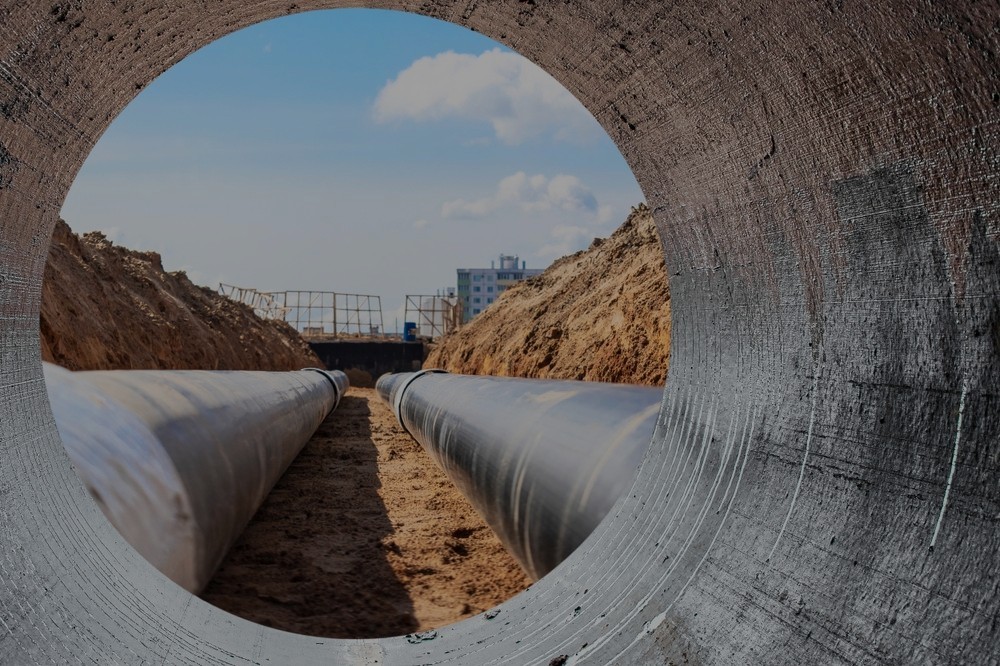
Across the UK, many of today’s operating heat networks can trace their origins back to installations during the 1980s and 1990s. These third-generation networks were built in an era of renewed interest in district heating, often using pre-insulated bonded pipe systems manufactured in line with the EN 253 standard. While these networks have delivered decades of reliable service, many now face increasing risks of failure. At the centre of this challenge are the alarm systems originally embedded within the pipework – once crucial for leak detection and corrosion prevention, but in many cases now neglected, damaged, or simply switched off.
This article explores how those alarm systems worked, why they were essential, and how new digital technologies can revive and modernise them to protect buried district heating infrastructure well into the future.
The legacy networks: EN 253 pre-insulated pipes
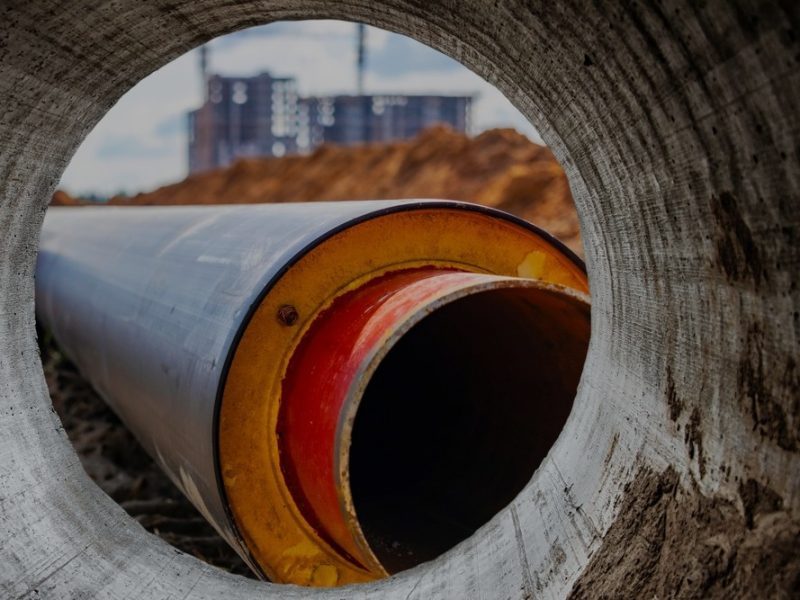
Third-generation heat networks from the late 20th century were typically constructed with bonded, factory-insulated pipe systems. In accordance with EN 253, the construction comprised three main layers:
- Service pipe – usually steel, carrying hot water at flow temperatures commonly between 80°C and 120°C, with return lines often operating 30 – 50°C cooler. Pressures were generally modest, in the range of 6 – 16 bar depending on the system and the sites’ topography.
- Polyurethane (PUR) foam insulation – a rigid, closed-cell insulation layer bonded directly to the steel service pipe, chosen for its high thermal resistance and load-bearing properties.
- HDPE casing – a tough polyethylene outer jacket providing mechanical protection and waterproofing in the buried environment.
Within the insulation layer, alarm wires were incorporated during manufacture. These low-voltage copper wires formed an electronic surveillance system designed to detect moisture ingress within the PUR foam.
Why alarm systems were installed
The most common was the Nordic-type alarm system – its concept was simple but effective: detect and locate moisture faults before they cause pipe failure. There were two key risk pathways for water ingress:
- Leaks from the service pipe – small cracks or pinholes could release hot water or steam into the insulation.
- Ingress from the surrounding ground – failed casing joints or external damage could allow groundwater to penetrate the HDPE jacket.
Once moisture entered the PUR insulation, several consequences followed:
- Thermal performance degradation – waterlogged insulation loses much of its thermal resistance, driving up heat losses and operating costs.
- Corrosion risk – moisture in direct contact with the steel pipe accelerates corrosion, eventually leading to leaks and failures.
- Service interruption – unexpected pipe failures can cause significant downtime, leaving consumers without heating and hot water.
- Reputational and financial costs – unplanned outages damage trust in district heating, while wasted treated water and the need for re-dosing with costly corrosion inhibitors increase operational expenditure.
By continuously monitoring resistance in the alarm wires, operators could detect changes in moisture conditions within the insulation. Advanced systems could even pinpoint the location of the fault along the buried pipeline, enabling targeted intervention before catastrophic failure occurred.
The problem today: neglected and non-functioning systems
While nearly all buried pre-insulated steel pipe systems from this era were supplied with alarm wires, the reality in 2025 is that many are no longer operational. Years of urgent repairs, extensions and modifications have often severed or ignored alarm loops. In some cases, the monitoring units have long since been decommissioned or disconnected (audible alarms can get annoying!).
The result is that thousands of kilometres of buried network are now effectively “blind”– with no active leak detection or corrosion surveillance. Operators face the growing risk of undetected water ingress, accelerated pipe degradation, and ultimately premature failure. These issues are now surfacing more frequently, with repairs becoming costlier and more disruptive.
The importance of maintenance and revival
The lesson from these legacy systems is clear: installing alarm wires is only half the story – maintaining and monitoring them is equally critical. Yet the situation is not beyond repair. With the right expertise and technology, existing alarm systems can be surveyed, repaired, and reactivated.
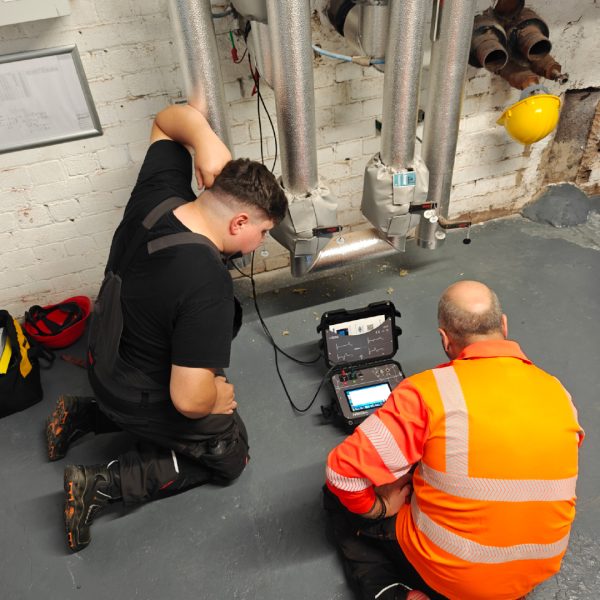
UK-based pre-insulated pipe manufacturer CPV, working in partnership with its associate RATMON UK, is leading this effort. Together, they are providing a pathway to bring dormant alarm systems “back from the dead.” Their approach involves:
- Surveying existing networks – identifying the extent of functional and broken alarm circuits.
- Re-establishing continuity – repairing or bypassing damaged sections to restore monitoring capability.
- Upgrading monitoring equipment – integrating RATMON’s advanced digital solutions to replace outdated analogue systems.
- Cloud-based connectivity – enabling real-time surveillance, data logging, and predictive analysis across entire networks.
This transformation does more than just re-establish a basic alarm function. It equips legacy networks with state-of-the-art digital monitoring, comparable with the latest generation of heat networks being built today.
Supporting compliance and funding opportunities
The timing for such upgrades could not be more relevant. The UK Government’s forthcoming Heat Network Technical Assurance Scheme (HNTAS) will raise the bar for performance, reliability, and reporting standards across the sector. Demonstrating proactive leak detection and monitoring will be central to compliance.
In parallel, the Heat Networks Efficiency Scheme (HNES) provides financial support to help operators invest in improvements that reduce heat losses, improve reliability, and extend asset life. Restoring and digitising alarm systems is a prime example of a cost-effective intervention that meets these objectives – often at a fraction of the cost of full pipe replacement.
Conclusion
Buried heat networks installed in the UK during the 1980s and 1990s were designed with foresight, incorporating alarm wires to safeguard against leaks and corrosion. But decades of neglect have left many of these systems silent. As a result, networks face rising risks of thermal inefficiency, water wastage, and premature pipe failure – all of which threaten service continuity and consumer confidence.
The good news is that these alarm systems are not beyond rescue. With CPV and RATMON UK’s expertise, legacy networks can be surveyed, repaired, and upgraded with cutting-edge digital monitoring. By embracing these solutions, operators can breathe new life into buried infrastructure, protect their assets, and prepare for the demands of HNTAS – all with the support of government funding.
In short, the technology to protect and future-proof our legacy heat networks already exists. The question for operators is not whether to act, but how soon they can bring their alarm systems back online.
Recent News
27 February 2026
RISO – The Unsung Early-Warning Hero of RATMON Leak Monitoring
4 February 2026
Time Domain Reflectometry (TDR) – A Down-to-Earth Guide for RATMON Leak Detection
3 February 2026
Protecting Critical Infrastructure with RATMON’s Leak Detection Solutions for Data Centres and District Heating
2 January 2026
Understanding the Nordic Two-Wire Leak Detection System