


Water & Wastewater Leak Detection
Leaks in water and wastewater systems can lead to wastage, regulatory non-compliance, and expensive repairs. Our state-of-the-art detection solutions help water utilities, municipalities, and industrial facilities quickly identify and resolve leaks, reducing unnecessary water loss and infrastructure damage.
Reduce Water Loss
Detect and repair leaks early to prevent escalation, reducing water loss and promoting sustainable resource management.
Pipeline Integrity Monitoring
Identify weaknesses in aging or high-pressure pipes, allowing for timely repairs and preventing potential failures.
Environmental & Regulatory Compliance
Stay ahead of water management regulations by proactively detecting leaks and ensuring compliance with industry standards.
In-Building Leak Detection
Within water and wastewater treatment facilities, leaks can present serious safety risks, operational disruptions, and environmental compliance issues. Our in-building leak detection systems provide continuous monitoring for critical zones – chemical dosing systems, sludge handling areas, storage tanks, and containment areas.
Using easy to deploy technology with real-time alerts, leaks can be pinpointed at source – protecting personnel, preventing contamination, and minimising unplanned downtime. Early intervention reduces clean-up costs and strengthens your commitment to environmental responsibility.
Leak Detection for Piping Systems
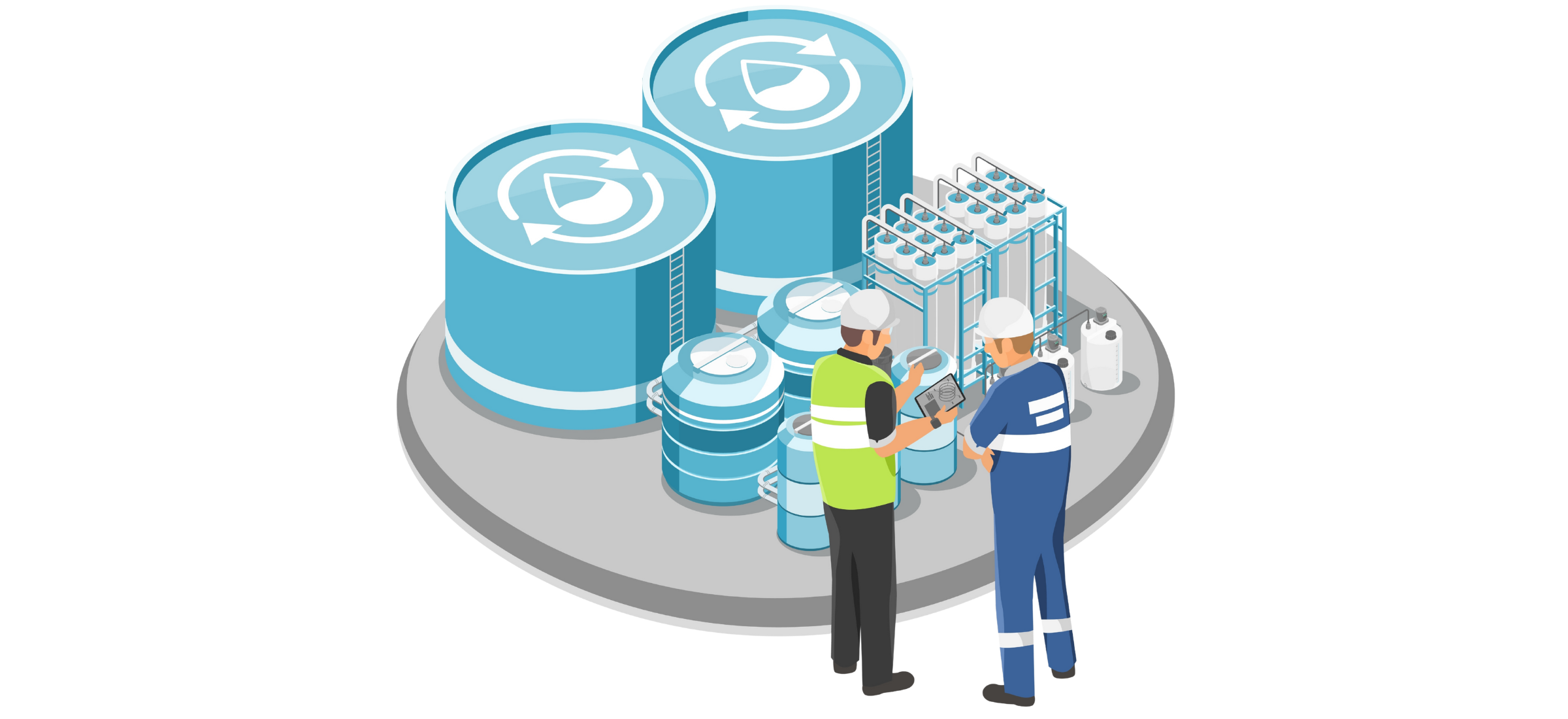
Piping systems within water and wastewater treatment facilities – especially those carrying hazardous chemicals, sludge, or treated water – pose significant operational, safety, and environmental risks. Our cable-based leak detection solutions are purpose-built for water and wastewater applications, capable of withstanding aggressive and corrosive liquids used in treatment processes.
Our technology is designed to monitor both continuous runs of piping systems and specific containment areas such as valve chambers and access pits, enabling early detection and location of leaks before they escalate into pollution events or system failures. This proactive approach reduces maintenance costs, improves system reliability, and supports environmental compliance.
Utility Network Leak Detection
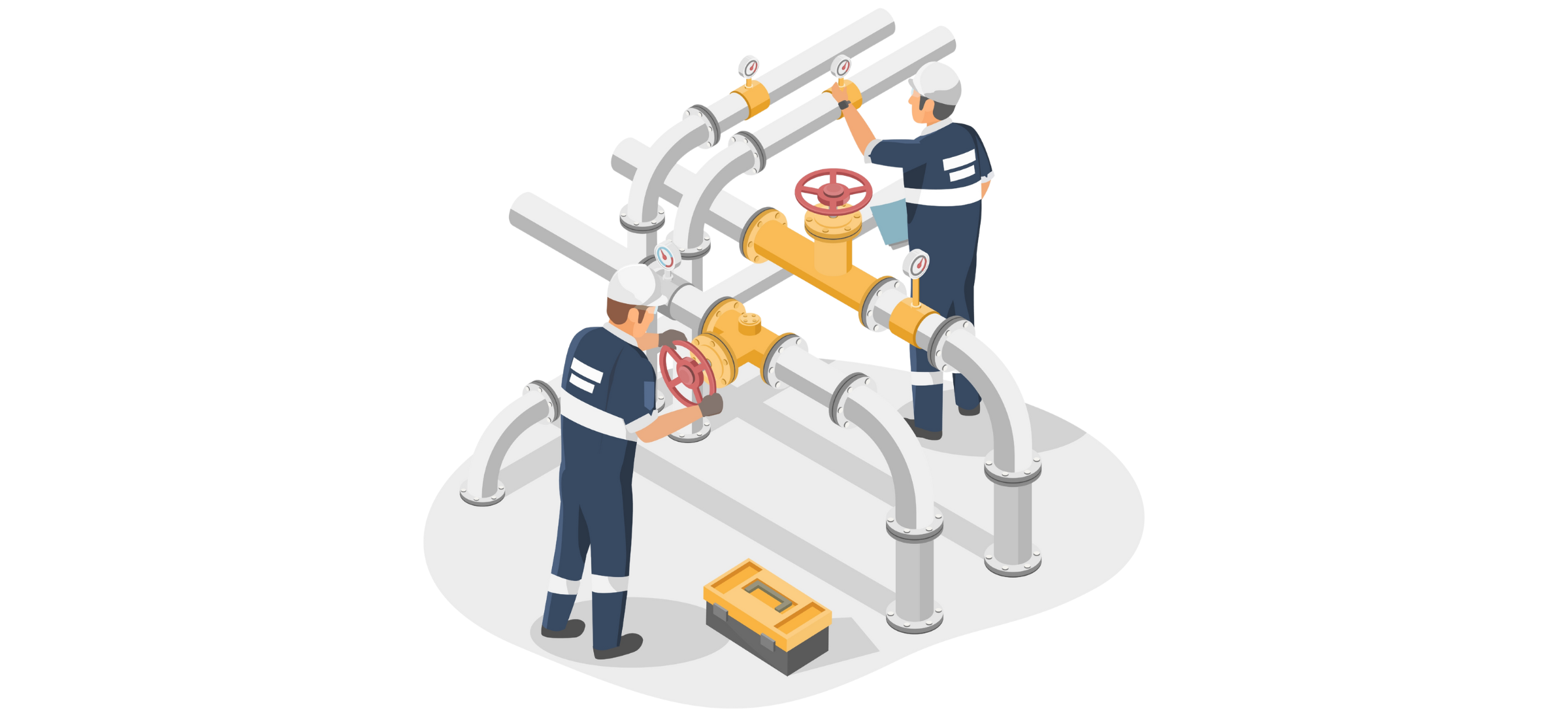
Leaks across buried infrastructure can lead to significant water loss, environmental damage, and costly unplanned repairs. Our utility-grade leak detection solutions provide continuous monitoring for potable water mains and effluent pipelines, enabling not only early identification of leakages but also accurate location – before they escalate into larger failures or environmental incidents.
By integrating leak detection into utility networks, operators can reduce non-revenue water, extend asset life, and demonstrate proactive environmental stewardship.

Water & Waste Leak Detection
Monitoring underground utilities and buried valve chambers and access pits, our systems can provide advanced warnings of any ingress of ground water or detect for leaks in the services. Our patented solution of two double wire MSC-1 cables enables precise detection and location of faults and can be integrated into chambers and ducts.
Contact Us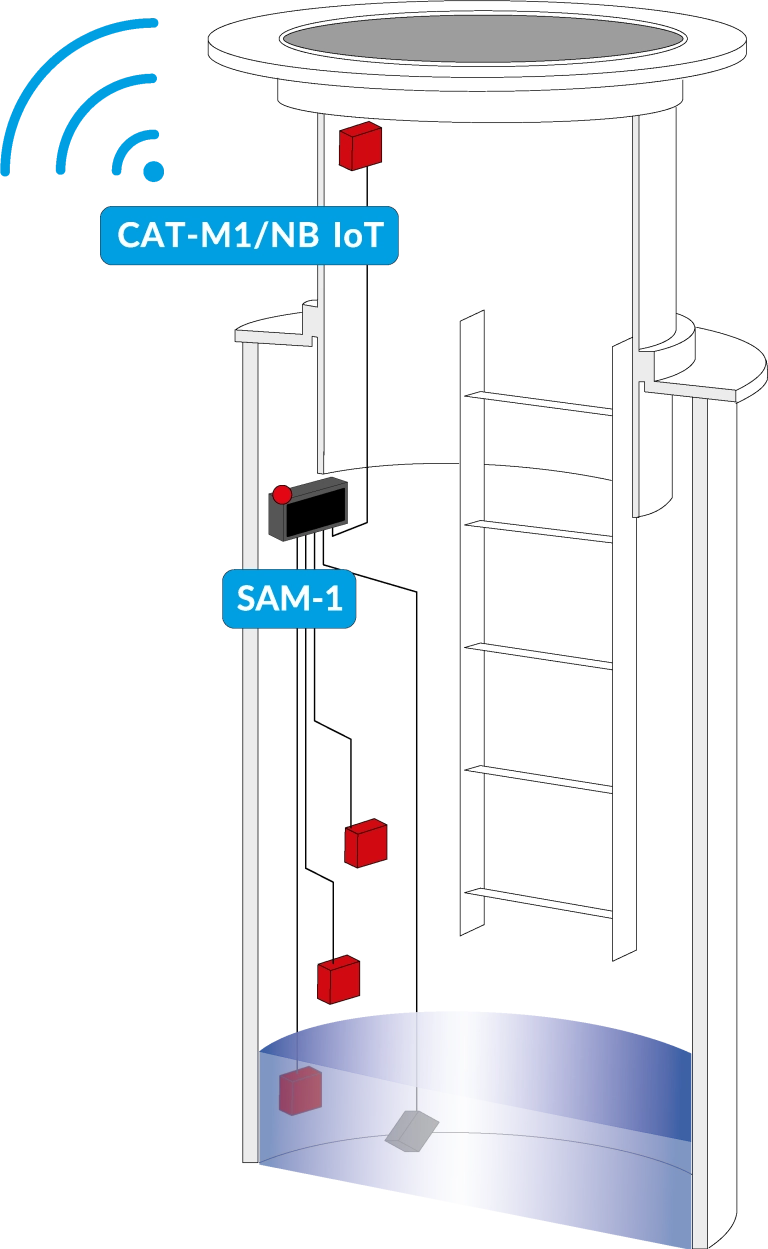
Water & Waste Leak Detection
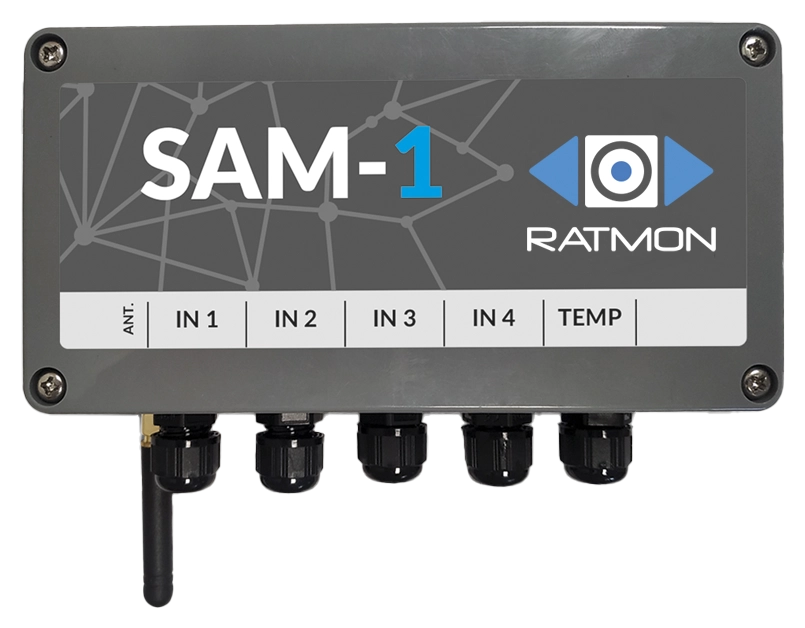
SAM-1 Smart Monitoring
Our SAM-1 it is standalone alarm unit to remotely monitor a variety of conditions in chambers and tanks, such as (but not limited to):
-
- Water levels
- Manhole opening
- Temperature
- Humidity
SAM-1 can be also utilised as potential leak detector for traditional/channel pipe network (non-pre-insulated pipe networks).
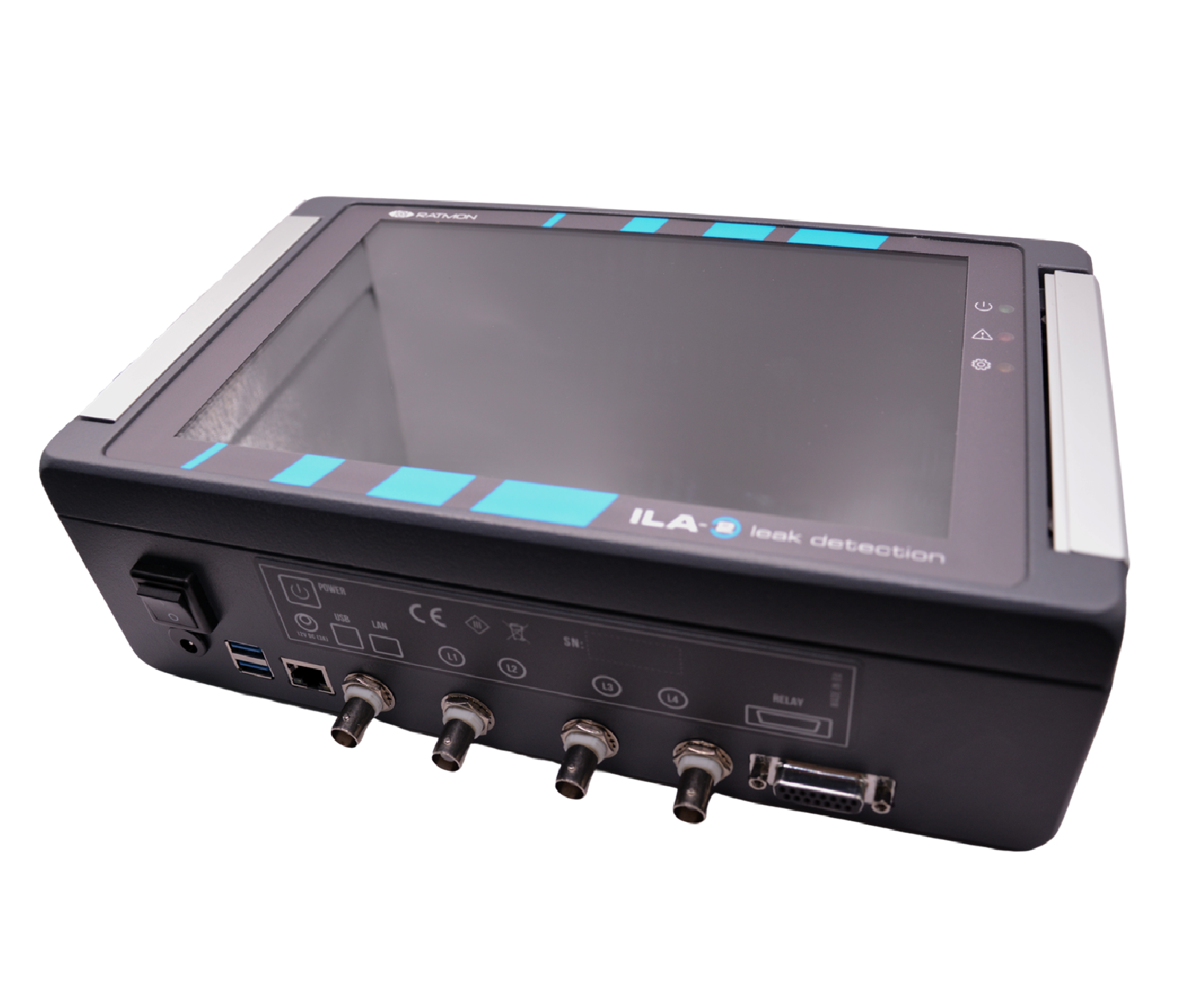
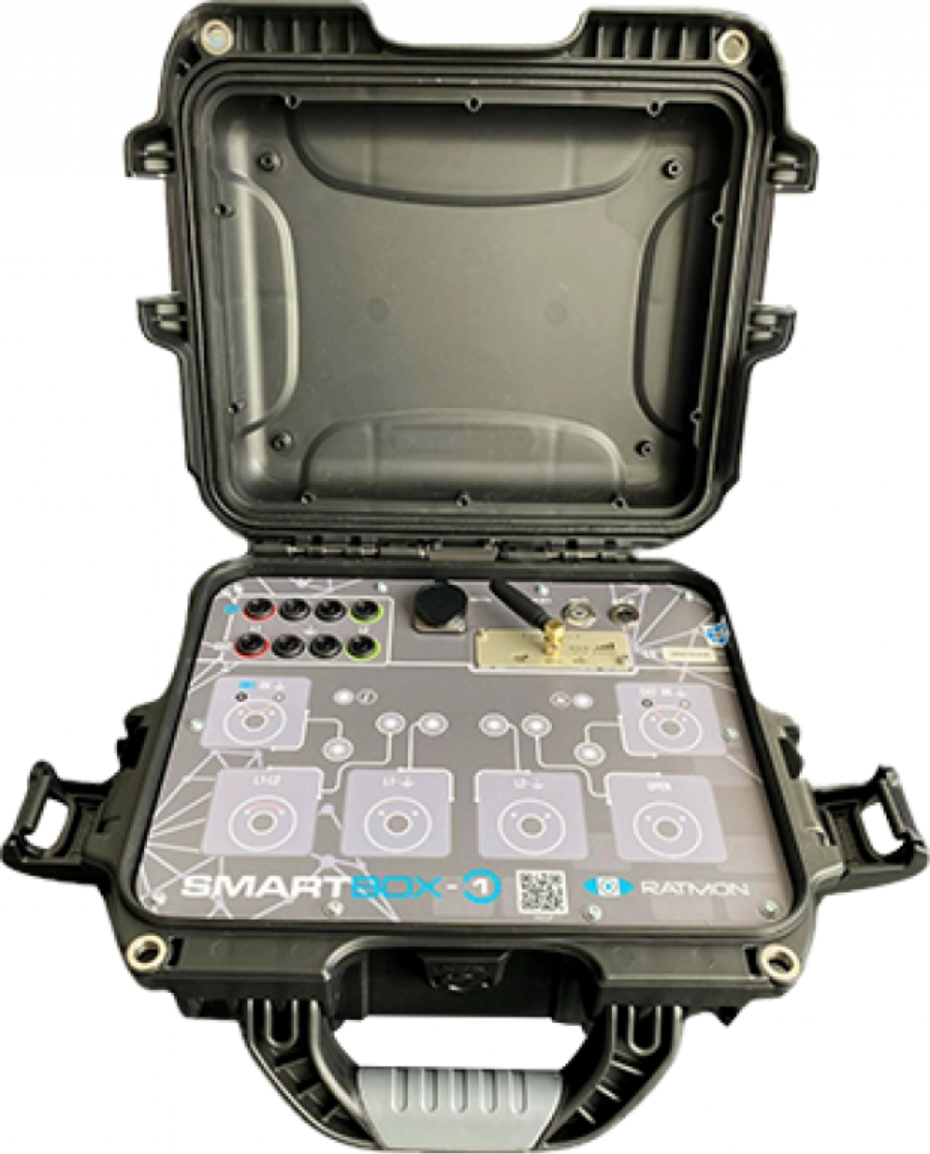
Download Our Brochure
Please click the button below to download a PDF copy of our latest RATMON brochure. This provides an overview of our systems and the applications available. If you have any further queries or would like to discuss your requirements, please contact our technical team.
Download the RATMON Brochure
Get In Touch
Our mission is to create safe and energy-efficient solutions that help improve the condition of infrastructure and ensure safety and efficiency for many years to come. We would be delighted to discuss your requirements and how our range of products and services can help monitor and protect your applications.
Frequently Asked Questions
What water and wastewater systems can RATMON monitor?
RATMON is designed to monitor a wide range of water and wastewater systems; from buried pipelines to building services and containment systems.
It’s particularly suited to plastic water pipes and dual-containment drainage systems, where early leak detection helps prevent environmental or structural damage. The sensor cable can be installed under technical floors, along pipelines, or inside containment ducts, making it ideal for buildings with critical equipment rooms, plant areas, and service corridors.
In short, RATMON provides reliable, real-time monitoring wherever leaks or rising water could threaten essential infrastructure.
Can RATMON help with river level monitoring?
Yes. The RATMON SAM-2 radar liquid-level sensor provides continuous, non-contact river stage readings with instant cloud alerts. This supports flood-warning operations, drought and abstraction management, and storm-overflow compliance, while avoiding the maintenance headaches of submerged probes.
What are the use-case differences between SAM-1 and SAM-2?
Both sensors connect with RATMON to provide smart, real-time level monitoring but they’re designed for different environments.
SAM-1 is for manholes, chambers, and drainage points, where the priority is early warning of water build-up or flooding. It provides three rising-water level alerts, plus temperature measurement to distinguish between flooding and water ingress. It can notify if an access cover has been removed, ideal for protecting underground assets, reducing site visits, and preventing pollution incidents before they escalate.
SAM-2, on the other hand, uses non-contact radar technology to continuously measure liquid level in rivers, tanks, lagoons, or septic systems. It’s suited to applications that need precise, maintenance-free level tracking rather than discrete level alarms. Perfect for river-stage monitoring, reservoir management, or process water control.
Where in a water utility’s infrastructure is RATMON best deployed?
RATMON is best used in confined or critical parts of the network where conventional leak detection can’t provide continuous coverage. Typical sites include pump stations, valve chambers, plant rooms, service corridors, dual-containment systems, and plastic pipelines. It gives early warning of leaks or flooding in these hard-to-access areas, protecting assets and reducing downtime.
How does RATMON complement a utility’s existing leak detection strategy?
RATMON doesn’t replace non-invasive acoustic surveys, thermal imaging or pressure monitoring techniques, rather it fills the gaps between them. While those methods locate leaks in distribution mains, RATMON continuously monitors local infrastructure and containment systems, providing real-time alerts in areas that are otherwise unmonitored. Together, they form a complete strategy for early detection, rapid response, and reduced environmental impact.